

As a seasoned supplier of Tempered Glass Walls, I've encountered numerous inquiries from clients regarding the optical properties of our products. One question that frequently surfaces is, "Does a tempered glass wall reflect light?" In this blog post, I'll delve into the science behind light reflection on tempered glass walls, exploring the factors that influence this phenomenon and its implications for various applications.
Understanding the Basics of Light Reflection
Before we dive into the specifics of tempered glass, let's first understand the fundamental principles of light reflection. When light strikes a surface, it can either be absorbed, transmitted, or reflected. Reflection occurs when light waves bounce off a surface at an angle equal to the angle of incidence. The amount of light reflected depends on several factors, including the surface's smoothness, the angle of incidence, and the refractive index of the material.
How Tempered Glass Affects Light Reflection
Tempered glass is a type of safety glass that is processed by heating and then rapidly cooling it to increase its strength. This process creates a surface compression that makes the glass more resistant to breakage. But how does this treatment affect light reflection?
Surface Smoothness
One of the key factors influencing light reflection on tempered glass is its surface smoothness. Tempered glass typically has a very smooth surface, which allows light to reflect off it with minimal scattering. This results in a clear and sharp reflection, similar to that of regular glass. However, any imperfections or scratches on the surface can disrupt the reflection, causing it to appear distorted or hazy.
Angle of Incidence
The angle at which light strikes the tempered glass wall also plays a crucial role in determining the amount of reflection. According to the law of reflection, the angle of reflection is equal to the angle of incidence. When light hits the glass at a perpendicular angle (90 degrees), most of it is transmitted through the glass, and only a small amount is reflected. As the angle of incidence increases, the amount of reflected light also increases. This is why you may notice more reflection on a tempered glass wall when you view it from an oblique angle.
Refractive Index
The refractive index of a material is a measure of how much light is bent when it passes through it. Tempered glass has a refractive index similar to that of regular glass, which means it bends light in a similar way. This property affects the way light is reflected off the surface of the glass. When light travels from a medium with a lower refractive index (such as air) to a medium with a higher refractive index (such as glass), some of it is reflected at the interface between the two media. The amount of reflection depends on the difference in refractive indices between the two materials.
Applications of Light Reflection on Tempered Glass Walls
The ability of tempered glass walls to reflect light has several practical applications in various industries. Here are some examples:
Architectural Design
In architectural design, tempered glass walls are often used to create a sense of openness and transparency while also providing privacy and protection. The reflective properties of the glass can be used to enhance the aesthetics of a building by creating interesting visual effects. For example, a large tempered glass wall can reflect the surrounding environment, such as the sky, trees, or neighboring buildings, creating a dynamic and ever-changing backdrop.
Interior Design
In interior design, tempered glass walls can be used to divide spaces, create partitions, or add a decorative element to a room. The reflection of light off the glass can make a room appear larger and more spacious, especially when combined with proper lighting. For instance, a tempered glass wall with a mirrored finish can reflect light from a chandelier or wall sconce, creating a glamorous and luxurious atmosphere.
Display and Retail
In the display and retail industry, tempered glass walls are commonly used to showcase products and create an attractive shopping environment. The reflective properties of the glass can draw attention to the merchandise and make it more visually appealing. For example, a storefront with a tempered glass wall can reflect the products inside, creating a window display that entices customers to enter.
Our Product Offerings
As a leading supplier of Tempered Glass Walls, we offer a wide range of products to meet the diverse needs of our customers. Our Tempered Glass Panels are available in various sizes, thicknesses, and finishes, allowing you to choose the perfect option for your project. Whether you need a clear, transparent panel or a colored, decorative one, we have you covered.
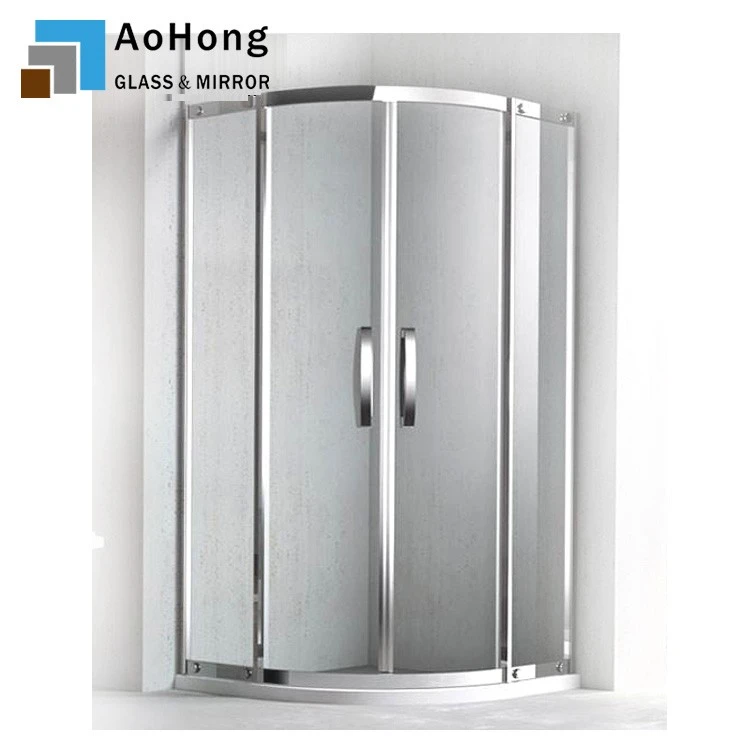
In addition to our standard tempered glass panels, we also offer Curved Shower Glass for bathrooms and other wet areas. Our curved shower glass is designed to provide a seamless and elegant look, while also offering superior strength and durability. It is available in a variety of shapes and sizes, making it easy to find the perfect fit for your shower enclosure.
For those looking for a more unique and sophisticated option, we offer Acid Etched Toughened Glass. This type of glass is treated with an acid etching process to create a frosted or textured surface, which diffuses light and provides privacy while still allowing some visibility. Acid etched toughened glass is commonly used in bathrooms, offices, and other areas where privacy is desired.
Conclusion
In conclusion, tempered glass walls do reflect light, and the amount and quality of reflection depend on several factors, including surface smoothness, angle of incidence, and refractive index. The reflective properties of tempered glass have numerous applications in architectural design, interior design, and display and retail industries. As a supplier of Tempered Glass Walls, we offer a wide range of products to meet the diverse needs of our customers, including Tempered Glass Panels, Curved Shower Glass, and Acid Etched Toughened Glass.

If you're interested in learning more about our products or would like to discuss your specific requirements, please don't hesitate to contact us. Our team of experts is always ready to assist you and provide you with the best solutions for your project.
References
- Hecht, E. (2017). Optics. Pearson.
- Kittel, C. (2005). Introduction to Solid State Physics. Wiley.
- Tipler, P. A., & Mosca, G. (2007). Physics for Scientists and Engineers: With Modern Physics. W. H. Freeman.


