

Clear glass is a staple in various industries, from construction to automotive, known for its transparency and versatility. As a clear glass supplier, I often encounter questions about how clear glass interacts with UV light. Understanding this interaction is crucial for applications where UV protection is a concern, such as in windows, display cases, and solar panels. In this blog post, I will delve into the science behind clear glass and UV light, exploring how different types of clear glass can affect UV transmission.
The Basics of UV Light
UV light is a form of electromagnetic radiation with wavelengths shorter than visible light but longer than X - rays. It is divided into three main categories: UVA (320 - 400 nm), UVB (280 - 320 nm), and UVC (100 - 280 nm). UVA rays are the least energetic but can penetrate deep into the skin, causing long - term damage such as premature aging and skin cancer. UVB rays are more energetic and are the primary cause of sunburn. UVC rays are the most energetic but are mostly absorbed by the Earth's atmosphere and do not reach the surface.
How Clear Glass Interacts with UV Light
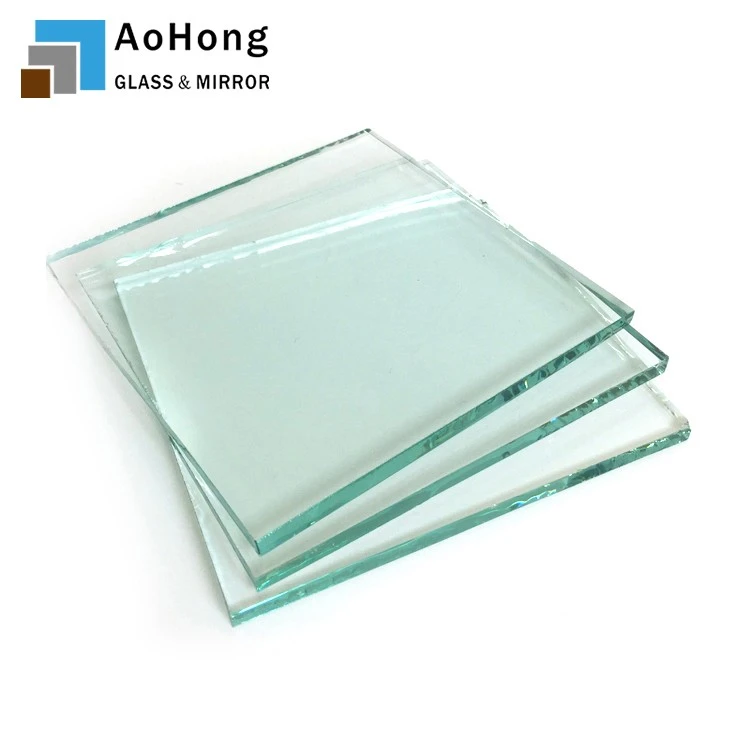
Standard clear glass, such as 6mm Clear Float Glass, is made from silica sand, soda ash, and limestone. When UV light hits clear glass, several things can happen: absorption, reflection, and transmission.
Absorption
Clear glass can absorb a certain amount of UV light. The absorption is mainly due to the presence of impurities and trace elements in the glass. For example, iron oxide, which is often present in small amounts in clear glass, can absorb some UV light. However, the absorption capacity of standard clear glass is relatively limited. It can absorb a significant portion of UVB and most of UVC, but UVA transmission remains relatively high.
Reflection
A small amount of UV light is reflected off the surface of the clear glass. The amount of reflection depends on the angle of incidence of the UV light and the refractive index of the glass. Generally, at normal incidence, only about 4% of the UV light is reflected from each surface of the clear glass.
Transmission
The majority of UVA light can pass through standard clear glass. This means that if you are sitting behind a window made of standard clear glass, you are still exposed to UVA rays, which can cause damage to your skin and fade furniture and fabrics over time.
Factors Affecting UV Transmission in Clear Glass
Several factors can affect how much UV light is transmitted through clear glass:
Glass Thickness
Thicker glass can absorb more UV light. For example, 15mm Float Glass will absorb more UV light compared to thinner glass. As the thickness of the glass increases, the path length of the UV light through the glass also increases, providing more opportunities for absorption.
Glass Composition
The composition of the glass plays a significant role in UV transmission. Specialized clear glasses can be formulated with additives to increase UV absorption. For example, glasses with high levels of cerium oxide can effectively block a large portion of UV light. These types of glasses are often used in applications where UV protection is critical, such as museum display cases.

Surface Coatings
Applying a UV - blocking coating to clear glass can significantly reduce UV transmission. These coatings work by either absorbing or reflecting UV light. Some coatings are designed to be highly selective, allowing visible light to pass through while blocking UV light. This is particularly useful in windows, as it can provide UV protection without sacrificing the transparency of the glass.
Applications and Considerations
Construction
In the construction industry, clear glass is widely used in windows and facades. While standard clear glass allows for natural light to enter a building, it also allows UVA rays to penetrate. This can lead to fading of interior furnishings, carpets, and artwork. To address this issue, architects and building owners can choose to use Float Glass Panel with UV - blocking properties. These panels can help protect the interior of the building from UV damage while still providing a clear view.
Automotive
In the automotive industry, clear glass is used for windshields and windows. Windshields are typically made of laminated glass, which provides some UV protection. However, side and rear windows may be made of standard clear glass, which allows a significant amount of UVA light to enter the vehicle. Some car manufacturers offer UV - blocking glass as an option to protect passengers from UV exposure and prevent the interior of the car from fading.
Solar Panels
Clear glass is also used in solar panels. While solar panels are designed to convert sunlight into electricity, they need to be protected from UV damage. Specialized clear glass with anti - UV properties can be used to cover the solar cells, ensuring that they are protected from the harmful effects of UV light while still allowing sunlight to reach the cells.
Contact for Procurement
If you are in need of clear glass with specific UV - blocking properties, I am here to help. Whether you are a contractor, architect, or automotive manufacturer, I can provide you with a wide range of clear glass products to meet your needs. We offer high - quality clear glass, including 6mm Clear Float Glass, Float Glass Panel, and 15mm Float Glass, with options for UV - blocking coatings. Contact me to discuss your requirements and get a quote for your project.
References
- "The Physics of Glass" by Mark A. A. Neilson
- "UV Radiation and Its Effects on Materials" by International Ultraviolet Association
- "Glass Science and Technology" edited by David R. Uhlmann and Norman J. Kreidl


