

As a seasoned supplier of tempered glass panels, I've often been asked about the resistance of these products to mold and mildew. This is a crucial question, especially for applications where the glass is exposed to high - humidity environments, such as bathrooms, kitchens, or outdoor settings. In this blog, I'll delve into the science behind tempered glass and its ability to ward off mold and mildew.
Understanding Tempered Glass
Tempered glass is a type of safety glass that is processed by controlled thermal or chemical treatments to increase its strength compared to normal glass. The tempering process involves heating the glass to a high temperature and then rapidly cooling it. This creates surface compression and internal tension, making the glass more resistant to breakage.
The composition of tempered glass is similar to that of regular glass, mainly consisting of silica sand, soda ash, and limestone. These materials are inert and do not provide a suitable environment for mold and mildew to grow. Mold and mildew are fungi that thrive in organic matter, moisture, and warm temperatures. Since tempered glass is an inorganic material, it lacks the nutrients that mold and mildew need to survive and reproduce.
Why Mold and Mildew Don't Thrive on Tempered Glass
One of the primary reasons tempered glass is resistant to mold and mildew is its non - porous surface. Unlike porous materials such as wood, fabric, or some types of stone, tempered glass does not absorb water. Mold and mildew require a moist environment to grow, and without the ability to absorb and retain water, the glass surface remains dry, making it an inhospitable place for these fungi.
Another factor is the smoothness of the tempered glass surface. The manufacturing process of tempered glass results in a very smooth finish. Mold and mildew spores need a rough surface to adhere to and start growing. The smoothness of tempered glass makes it difficult for the spores to attach, and even if they do land on the surface, they are easily washed away by water or wiped off.
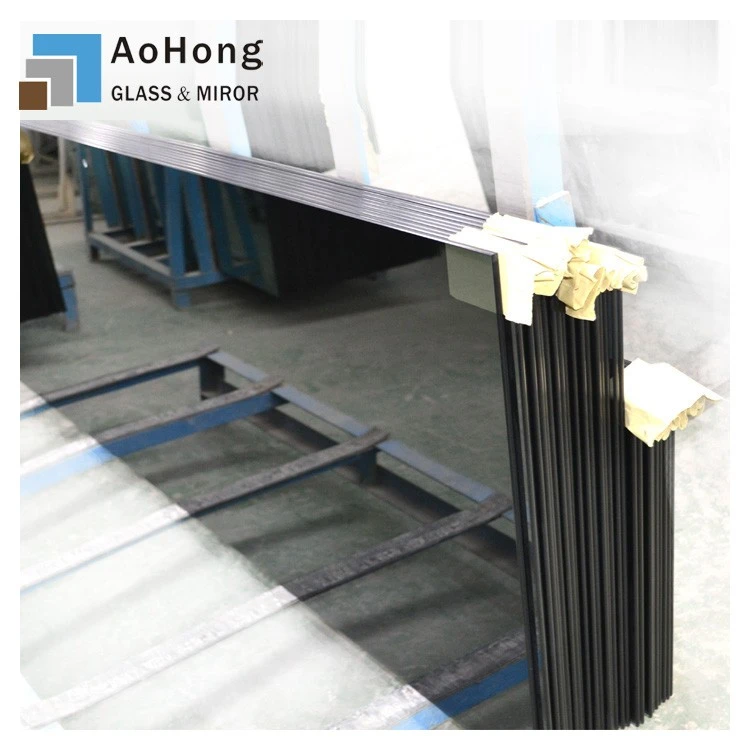

Real - World Applications and Resistance
In bathrooms, where humidity levels are often high, tempered glass shower enclosures are a popular choice. These enclosures are exposed to steam and water on a daily basis, but they rarely show signs of mold and mildew growth. The same goes for kitchen backsplashes made of tempered glass. Despite being in an environment where food particles, moisture, and grease are present, tempered glass remains relatively clean and free from mold.
Outdoor applications, such as patio enclosures or glass partitions in gardens, also benefit from the mold - resistant properties of tempered glass. Even in areas with high rainfall or humidity, the glass panels can withstand the elements without succumbing to mold and mildew.
Factors That Can Affect Resistance
While tempered glass is generally resistant to mold and mildew, there are some factors that can potentially compromise this resistance. One such factor is the presence of dirt, grime, or organic matter on the glass surface. If these substances are not cleaned regularly, they can provide a foothold for mold and mildew spores. For example, if there are food residues on a kitchen backsplash or leaves and dirt on an outdoor glass panel, the spores may be able to use these as a food source and start growing.
Another factor is poor ventilation. In enclosed spaces where there is limited air circulation, moisture can accumulate on the glass surface. This can create a more favorable environment for mold and mildew growth, even on tempered glass. For instance, in a poorly ventilated bathroom, the steam from showers may not dissipate quickly, leading to water droplets remaining on the glass for extended periods.
Maintenance Tips for Optimal Resistance
To ensure that your tempered glass panels remain resistant to mold and mildew, proper maintenance is essential. Regular cleaning is the first step. Use a mild glass cleaner and a soft cloth or sponge to wipe down the glass surface. Avoid using abrasive cleaners or scrubbers, as these can scratch the glass and potentially create a rougher surface where mold and mildew can attach.
In areas with high humidity, such as bathrooms, it's important to improve ventilation. You can install an exhaust fan or open a window after using the shower to reduce the moisture in the air. For outdoor glass panels, make sure to remove any debris such as leaves or dirt regularly.
Different Types of Tempered Glass and Their Resistance
We offer a variety of tempered glass products, each with its own unique properties. Bent Tempered Glass is a popular choice for architectural applications. Its curved shape adds an aesthetic appeal to buildings, and like all tempered glass, it is resistant to mold and mildew. The manufacturing process ensures that the glass retains its non - porous and smooth surface, making it difficult for mold and mildew to grow.
Low Iron Tempered Glass is known for its high clarity and low color distortion. This type of glass is often used in display cases, aquariums, and high - end architectural projects. Its chemical composition and manufacturing process also contribute to its resistance to mold and mildew, making it a reliable choice for environments where cleanliness is crucial.
12mm Tempered Glass is a thicker and stronger option, suitable for applications that require more durability. Whether it's used in commercial buildings or large residential installations, its resistance to mold and mildew remains consistent with other tempered glass products.
Conclusion
In conclusion, tempered glass panels are highly resistant to mold and mildew due to their non - porous, smooth surface and inorganic composition. However, proper maintenance is still necessary to ensure that this resistance is maintained over time. By keeping the glass clean and improving ventilation in high - humidity areas, you can enjoy the benefits of tempered glass for years to come.
If you're in the market for high - quality tempered glass panels, whether it's for residential or commercial use, we're here to help. Our team of experts can assist you in choosing the right type of tempered glass for your specific needs. Contact us to start a discussion about your project and explore our wide range of tempered glass solutions.
References
- ASTM International. (2021). Standard Specification for Heat - Treated Flat Glass – Kind HS, Kind FT. ASTM C1048 - 21.
- Glass Association of North America. (2020). Technical Manual for Glass in Buildings.


