

When it comes to choosing the right thickness for a tempered glass window, there are several factors to consider. As a seasoned tempered glass window supplier, I've encountered various customer needs and scenarios over the years. In this blog, I'll share insights on how to determine the suitable thickness for your tempered glass windows, taking into account different applications and safety requirements.
Understanding Tempered Glass
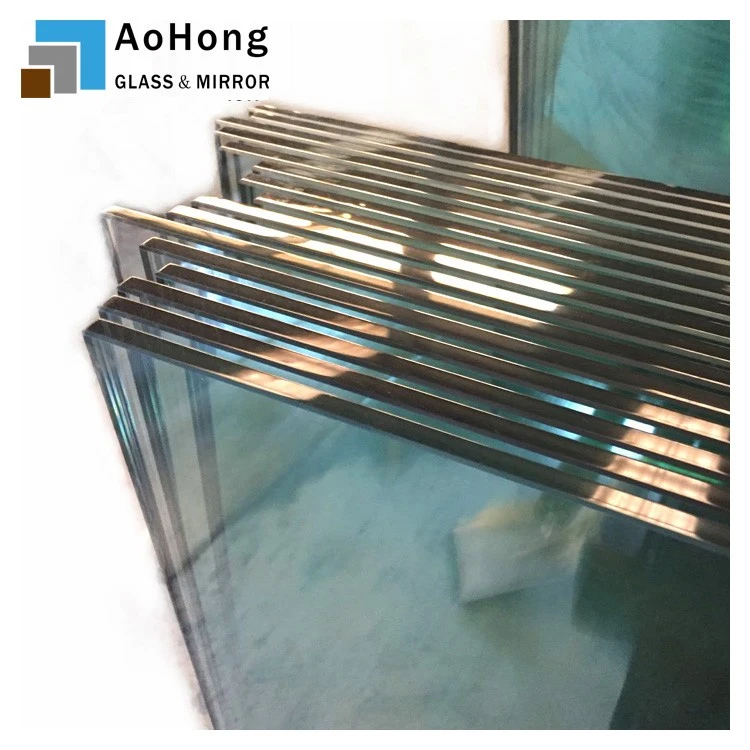
Tempered glass is a type of safety glass that is processed through a thermal or chemical treatment to increase its strength compared to regular glass. When broken, tempered glass shatters into small, relatively harmless pieces instead of sharp shards, reducing the risk of serious injury. This makes it an ideal choice for windows in both residential and commercial buildings.
Factors Influencing the Choice of Thickness
1. Window Size
One of the primary factors to consider is the size of the window. Larger windows require thicker glass to maintain structural integrity and resist wind pressure. For small windows, such as those in a bathroom or a small room, a thinner glass may be sufficient. However, as the window size increases, the glass thickness should also increase to prevent bowing or breaking under normal conditions.
For example, a small window measuring around 2 feet by 2 feet may be adequately supported by 4mm or 6mm tempered glass. On the other hand, a large picture window that spans several feet in width and height may require 8mm, 10mm, or even thicker glass. You can explore our 10mm Tempered Glass options for larger window applications.
2. Location and Environmental Conditions
The location of the building and the environmental conditions it faces play a crucial role in determining the appropriate glass thickness. Buildings located in areas with high wind loads, such as coastal regions or tall skyscrapers, need thicker glass to withstand the strong winds. Similarly, areas prone to seismic activity require glass that can withstand the vibrations and movements during an earthquake.
In addition, extreme temperature variations can also affect the performance of tempered glass. Thicker glass is generally more resistant to thermal stress, making it a better choice for regions with significant temperature differences between day and night.
3. Safety Requirements
Safety is a top priority when it comes to choosing tempered glass windows. Different building codes and regulations specify minimum glass thickness requirements based on the application and location. For example, in areas where there is a risk of human impact, such as near stairways or in public spaces, thicker glass may be required to prevent breakage and reduce the risk of injury.
In some cases, laminated tempered glass may be recommended for enhanced safety. Laminated glass consists of two or more layers of tempered glass bonded together with a plastic interlayer. This type of glass can provide additional protection against impact and can hold together even when broken, reducing the risk of falling glass fragments.
4. Acoustic Insulation
If noise reduction is a concern, the thickness of the tempered glass can have an impact on acoustic insulation. Thicker glass generally provides better soundproofing compared to thinner glass. By choosing a thicker glass, you can create a more peaceful and quiet indoor environment, especially in areas near busy roads, airports, or industrial sites.
Common Thicknesses and Their Applications
4mm Tempered Glass
This is one of the thinnest options available for tempered glass windows. It is commonly used for small windows, such as those in cabinets, display cases, or small interior partitions. 4mm tempered glass is lightweight and relatively easy to install, but it may not be suitable for larger windows or areas with high wind loads.
6mm Tempered Glass
6mm tempered glass is a popular choice for residential windows, especially in smaller rooms or as replacement glass for existing windows. It offers a good balance between strength and cost, and it can provide adequate protection for most applications. This thickness is also commonly used for shower enclosures and glass doors. You can check out our Curved Shower Glass options in 6mm thickness.
8mm Tempered Glass
8mm tempered glass is suitable for larger windows, sliding glass doors, and balcony railings. It provides increased strength and durability compared to 6mm glass, making it a better choice for areas with higher wind loads or where there is a greater risk of impact.
10mm Tempered Glass
As mentioned earlier, 10mm tempered glass is ideal for large picture windows, commercial storefronts, and other applications where maximum strength and durability are required. It can withstand significant wind pressure and is less likely to bow or break under normal conditions. You can find a wide range of 10mm Tempered Glass products on our website.
12mm and Thicker Tempered Glass
For extremely large windows, high-rise buildings, or applications with very high safety requirements, 12mm or thicker tempered glass may be necessary. These thicker glasses offer superior strength and can provide excellent protection against extreme weather conditions and impact.
Special Applications
Tempered Glass Balconies
Balconies are a popular feature in many residential and commercial buildings, and tempered glass is often used to create a safe and stylish railing system. When choosing the thickness for a Tempered Glass Balcony, it's important to consider the height of the balcony, the expected load, and the local building codes.
In general, 8mm or 10mm tempered glass is commonly used for balcony railings. These thicknesses provide sufficient strength to prevent the glass from breaking under normal use and can withstand the forces exerted by wind and people leaning against the railing.
Shower Enclosures
Shower enclosures require tempered glass for safety reasons. The thickness of the glass for a shower enclosure typically ranges from 6mm to 8mm. 6mm glass is suitable for smaller shower enclosures, while 8mm glass may be preferred for larger or more elaborate designs.

When choosing glass for a shower enclosure, it's also important to consider the type of frame and hardware used. A well-designed frame can provide additional support and stability to the glass, ensuring a long-lasting and safe installation.
Conclusion
Choosing the right thickness for a tempered glass window is a critical decision that requires careful consideration of several factors. By taking into account the window size, location, safety requirements, and other factors, you can select the appropriate glass thickness to meet your specific needs.
As a trusted tempered glass window supplier, we offer a wide range of glass thicknesses and styles to suit different applications. Whether you're looking for a small window for your home or a large commercial storefront, we can provide you with high-quality tempered glass products that meet your requirements.
If you have any questions or need assistance in choosing the right tempered glass thickness for your project, please don't hesitate to contact us. Our team of experts is always ready to help you make an informed decision and ensure a successful installation.
References
- ASTM International. (2023). Standard Specification for Heat-Treated Flat Glass – Kind HS, Kind FT. ASTM C1048.
- International Building Code (IBC). (2022). Chapter 24 – Glass and Glazing.
- National Fenestration Rating Council (NFRC). (2023). Energy Performance Ratings for Windows, Doors, and Skylights.


