

What is the Heat Resistance of a Tempered Glass Window?
As a supplier of tempered glass windows, I've encountered numerous inquiries regarding the heat resistance of our products. Understanding the heat resistance of tempered glass windows is crucial, especially in applications where they are exposed to high temperatures. In this blog, I'll delve into the science behind the heat resistance of tempered glass windows, its practical implications, and how it compares to other types of glass.
The Science Behind Tempered Glass and Heat Resistance
Tempered glass is created through a process of controlled thermal or chemical treatments. During the thermal tempering process, the glass is heated to a temperature of around 620°C (1,148°F) and then rapidly cooled. This rapid cooling creates a state of compression on the surface of the glass and tension in the interior. This unique stress distribution gives tempered glass its characteristic strength and heat resistance.
The heat resistance of tempered glass is primarily determined by its ability to withstand thermal shock. Thermal shock occurs when there is a sudden change in temperature, which can cause the glass to expand or contract unevenly. If the stress caused by this uneven expansion or contraction exceeds the strength of the glass, it can crack or shatter. Tempered glass, with its compressed surface layer, is better able to resist these stresses compared to regular annealed glass.
Most tempered glass windows can withstand temperatures up to 250°C (482°F) without significant damage. However, this temperature limit can vary depending on factors such as the thickness of the glass, the specific tempering process used, and the presence of any defects or impurities in the glass. For example, 10mm Tempered Glass, due to its greater thickness, may have a slightly different heat resistance profile compared to thinner tempered glass.
Practical Applications and Considerations
The heat resistance of tempered glass windows makes them suitable for a wide range of applications. In residential settings, they can be used in areas near fireplaces or stoves, where they may be exposed to elevated temperatures. In commercial buildings, tempered glass windows are often used in kitchens, bakeries, and industrial facilities where heat is generated.
When installing tempered glass windows in high - heat areas, it's important to consider the overall design and ventilation of the space. Adequate ventilation can help to reduce the temperature difference between the glass and its surroundings, minimizing the risk of thermal shock. Additionally, it's crucial to ensure that the glass is properly installed and supported to prevent any additional stress on the glass due to movement or vibration.
Another practical consideration is the long - term effects of heat on tempered glass. While tempered glass can withstand high temperatures, prolonged exposure to heat can cause some changes in its properties over time. For example, the glass may become slightly discolored or its surface may develop a haze. These changes are usually cosmetic and do not significantly affect the structural integrity of the glass, but they may be a concern in applications where aesthetics are important.
Comparison with Other Types of Glass
Compared to regular annealed glass, tempered glass has significantly better heat resistance. Annealed glass, which is the most common type of glass used in windows, has a much lower tolerance for thermal shock. It can crack or shatter at relatively low temperature differentials, making it unsuitable for high - heat applications.
In contrast, Acid Etched Toughened Glass, which is a type of tempered glass with an etched surface for privacy or decorative purposes, retains the heat resistance properties of regular tempered glass. The acid - etching process does not significantly affect the glass's ability to withstand high temperatures.
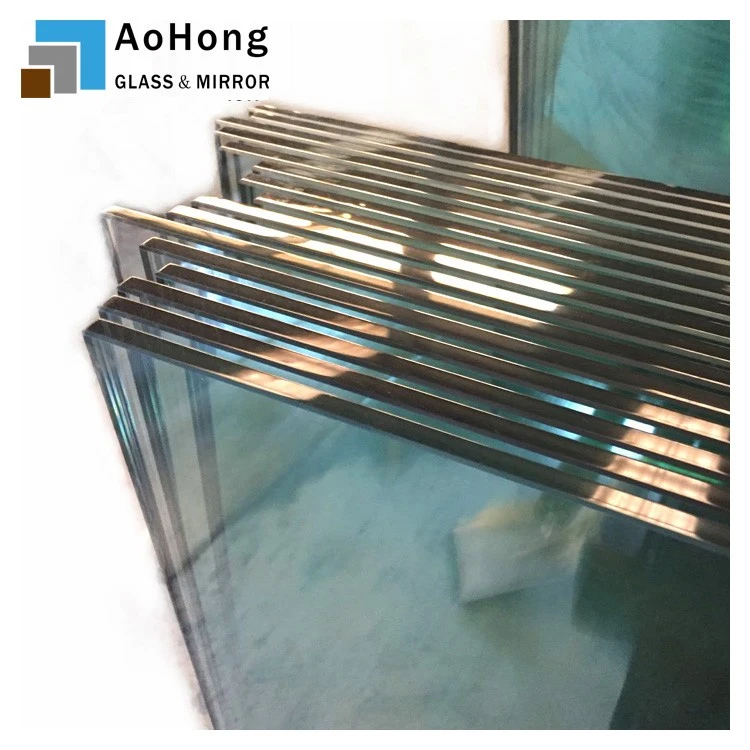

Glass partitions made from tempered glass also offer good heat resistance. They can be used to separate areas in a building where there is a difference in temperature, such as between a hot kitchen and a cooler dining area. The heat resistance of these partitions helps to maintain the temperature integrity of each space while providing a visual barrier.
Conclusion
The heat resistance of tempered glass windows is a result of the unique tempering process that creates a state of compression on the glass surface. With the ability to withstand temperatures up to 250°C (482°F) and better resistance to thermal shock, tempered glass windows are a reliable choice for applications where heat is a concern.
If you're in the market for tempered glass windows, whether for residential or commercial use, and have questions about their heat resistance or other properties, I encourage you to reach out to us. Our team of experts can provide you with detailed information and help you select the right tempered glass products for your specific needs. Contact us today to start a discussion about your tempered glass window requirements.
References
- ASTM International. "Standard Specification for Heat - Strengthened and Fully Tempered Flat Glass for Building Products." ASTM C1048 - 18.
- Glass Association of North America. "Technical Information on Tempered Glass."
- Schott AG. "Glass and Temperature: Thermal Properties of Glass."


