

What is the difference between curved and straight glass doors?
As a supplier of Curved Glass Doors, I've had the privilege of witnessing the diverse applications and preferences when it comes to glass doors. Over the years, clients often inquire about the differences between curved and straight glass doors. This blog aims to delve into the various aspects that set these two types of glass doors apart, helping you make an informed decision for your next project.
Aesthetic Appeal
One of the most obvious differences between curved and straight glass doors lies in their aesthetic appeal. Straight glass doors exude a sense of modernity, minimalism, and formality. They are clean - lined and offer a straightforward, no - nonsense look that can seamlessly integrate into contemporary architectural designs. For instance, in a corporate office setting, straight glass doors can create a professional and sleek atmosphere, allowing for a clear view of the interior while maintaining a sense of separation.
On the other hand, curved glass doors bring a touch of elegance and fluidity. Their gentle arcs introduce a dynamic element to a space, breaking the monotony of straight lines. They are often used in high - end residential properties, luxury hotels, or upscale retail stores to create a more inviting and sophisticated ambiance. The curvature of the glass can add a sense of movement and grace, making the entrance or partition stand out as a focal point.
Space Utilization
When it comes to space utilization, both curved and straight glass doors have their unique advantages. Straight glass doors are typically more space - efficient in rectangular or square - shaped rooms. They can be installed flush against the walls, minimizing the amount of floor space occupied. In small spaces, straight glass doors can create an illusion of a larger area due to their clean and linear design. For example, in a narrow hallway, a straight glass sliding door can provide easy access to a room without taking up additional space when opened.
Curved glass doors, however, can be more effective in circular or irregularly - shaped spaces. They can follow the natural contours of the room, making the most of the available space. In a circular atrium or a building with rounded corners, curved glass doors can provide a seamless transition between different areas. Moreover, the curvature of the door can create a sense of openness and fluidity, even in relatively small spaces.
Structural Considerations
Structurally, straight glass doors are generally easier to manufacture and install. The straight edges simplify the cutting and framing process, reducing the likelihood of errors. They are also more compatible with standard door frames and hardware, which can result in lower installation costs. The linear design of straight glass doors allows for a more straightforward load - bearing distribution, making them suitable for a wide range of applications, from interior partitions to exterior entrances.
Curved glass doors, on the other hand, require more complex manufacturing techniques. The glass needs to be carefully bent to the desired curvature without compromising its strength and integrity. This process often involves specialized equipment and skilled labor, which can increase the manufacturing cost. Additionally, the curved shape of the door requires custom - made frames and hardware to ensure a proper fit. The structural design of curved glass doors also needs to account for the distribution of stress along the curved surface, which can be more challenging than with straight doors.
Functionality
In terms of functionality, both curved and straight glass doors offer different benefits. Straight glass doors are commonly used as sliding doors, which are ideal for spaces where floor space is limited. Sliding straight glass doors, such as the Tempered Glass Sliding Door, provide smooth and easy operation, allowing for quick access to a room. They can also be equipped with various locking mechanisms for security purposes.
Curved glass doors, on the other hand, are often used as pivot or swing doors. The curvature of the door allows for a more dramatic entrance, as it can swing open in a graceful arc. Curved glass pivot doors can create a grand entrance for a building, making a strong visual statement. However, they may require more space to open and close compared to straight sliding doors.

Safety and Durability
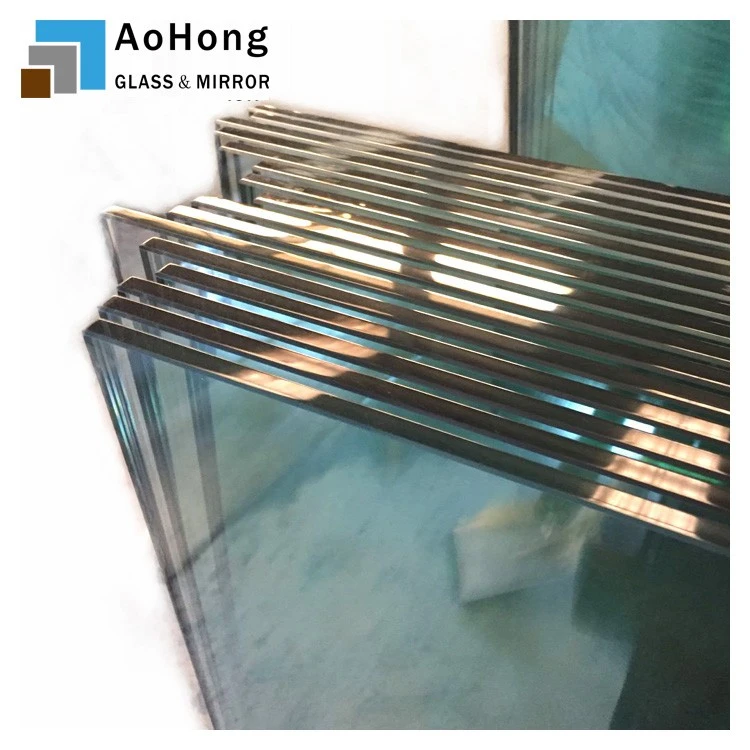
Safety and durability are crucial factors to consider when choosing between curved and straight glass doors. Both types of doors can be made from tempered glass, such as the 10mm Tempered Glass, which is known for its strength and safety features. Tempered glass is four to five times stronger than regular glass and, when broken, shatters into small, blunt pieces, reducing the risk of serious injury.
Straight glass doors, with their simple design, are less likely to have weak points in the structure. The straight edges are less prone to chipping or cracking during installation or normal use. Curved glass doors, while also made from tempered glass, may be more vulnerable to stress fractures due to the curvature. However, with proper manufacturing and installation, curved glass doors can be just as safe and durable as straight ones.
Cost
Cost is an important consideration for any project. Generally, straight glass doors are more budget - friendly than curved glass doors. The simpler manufacturing process, standard hardware requirements, and easier installation all contribute to lower costs. Straight glass doors are widely available in the market, and the competition among suppliers can drive down the prices.
Curved glass doors, on the other hand, are more expensive due to the complex manufacturing process, custom - made frames, and specialized hardware. The cost of bending the glass to the desired curvature and ensuring its structural integrity adds to the overall expense. However, the unique aesthetic and functional benefits of curved glass doors may justify the higher cost for some projects.
Conclusion
In conclusion, the choice between curved and straight glass doors depends on various factors, including aesthetic preferences, space utilization, structural requirements, functionality, safety, and cost. As a supplier of Curved Glass Doors, I understand the importance of finding the right solution for your specific needs. Whether you're looking for a modern and space - efficient straight glass door or a sophisticated and eye - catching curved glass door, I can provide you with high - quality products and professional installation services.
If you're interested in learning more about our curved or straight glass doors, or if you have a project in mind and need advice on which type of door is best for you, please feel free to contact us. We're here to help you make the right choice and bring your vision to life.
References
- Architectural Glass Design Manual.
- Glass Manufacturing and Installation Best Practices Guide.
- Industry Reports on Glass Door Trends and Applications.


