As a supplier of Bronze Frosted Glass, I've witnessed firsthand the fluctuations in its pricing. Many factors contribute to these price variations, and understanding them is crucial for both suppliers like me and customers looking to purchase this elegant glass product. In this blog post, I'll delve into the key elements that influence the price of Bronze Frosted Glass.
Raw Material Costs
The primary raw material for Bronze Frosted Glass is, of course, glass. The quality and type of glass used can significantly impact the final price. High - quality glass with fewer impurities and better optical properties generally costs more. Additionally, the bronze tinting material is another important cost factor. Specialized bronze - colored pigments or coatings are used to achieve the distinctive bronze look of the glass. The purity and quality of these tinting materials can vary widely, and premium options will drive up the price.
For example, some high - end Bronze Frosted Glass uses advanced bronze - alloy - based coatings that offer better durability and color consistency. These coatings are more expensive to produce and source, which is then reflected in the price of the final product. Moreover, the cost of raw materials is also subject to market fluctuations. Changes in the global supply and demand for glass and bronze - related materials can cause sudden price hikes or drops. If there is a shortage of a particular type of glass or a spike in the price of bronze due to increased industrial demand, the price of Bronze Frosted Glass will likely increase.
Manufacturing Process
The manufacturing process of Bronze Frosted Glass is complex and involves several steps, each of which can affect the price. First, the glass needs to be cut to the appropriate size and shape. Precision cutting requires specialized equipment and skilled labor, and any errors can result in wasted material. This means that more precise cutting processes, which are often necessary for high - quality products, can increase the cost.
Next, the frosting process is a critical step. There are different methods to create the frosted effect, such as acid etching and sandblasting. Sandblasted Frosted Glass is a popular option, but it requires specific machinery and abrasive materials. The quality of the sandblasting equipment and the type of abrasive used can impact the smoothness and uniformity of the frosted surface. Higher - quality equipment and abrasives usually come at a higher cost, which is passed on to the customer.
After frosting, the bronze tinting is applied. This can be done through various techniques, such as spraying, dipping, or using a lamination process. Each method has its own advantages and disadvantages in terms of cost, durability, and appearance. For instance, a more advanced lamination process may provide a more long - lasting and consistent bronze color but will be more expensive to implement.
Design and Customization
Bronze Frosted Glass can be customized in many ways, and the level of customization directly affects the price. Standard sizes and simple designs are generally more affordable because they can be mass - produced. However, if a customer requests a unique shape, size, or pattern, additional costs will be incurred.
For example, creating a custom - designed Bronze Frosted Glass with an intricate pattern requires specialized software and tools for design and manufacturing. The production process may also involve more time - consuming steps, such as creating custom stencils for the frosting or tinting process. Moreover, custom - made glass may require more quality control checks to ensure that it meets the customer's exact specifications, which further adds to the cost.
Quality and Certification
The quality of Bronze Frosted Glass is a significant factor in its pricing. High - quality glass has better clarity, a more consistent frosted finish, and a more uniform bronze color. It is also more durable and resistant to scratches, stains, and other forms of damage. To ensure high quality, suppliers need to invest in strict quality control measures throughout the manufacturing process.
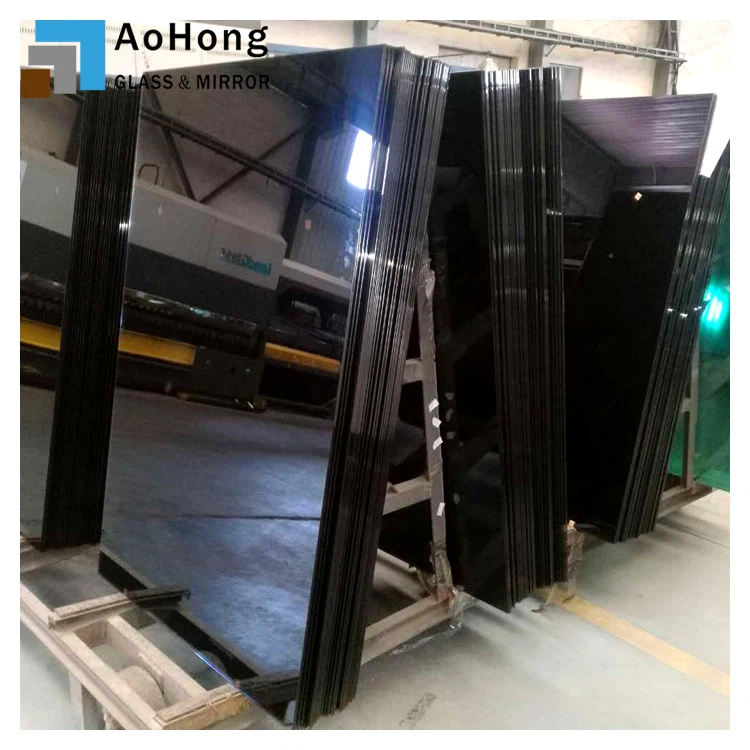

Certification is another aspect related to quality. Some markets require Bronze Frosted Glass to meet specific safety, environmental, or performance standards. Obtaining these certifications involves additional testing and documentation, which can increase the cost of production. For example, if a product needs to be certified for use in a commercial building, it may need to meet fire - resistance or energy - efficiency standards. The cost of conducting the necessary tests and obtaining the certification is then included in the price of the glass.
Market Demand and Competition
The basic economic principle of supply and demand plays a crucial role in determining the price of Bronze Frosted Glass. When the demand for this product is high, and the supply is limited, the price will naturally increase. Conversely, if there is an oversupply in the market, prices may drop as suppliers compete for customers.
Competition among suppliers also affects pricing. In a highly competitive market, suppliers may offer lower prices to attract customers. However, this can sometimes lead to a compromise in quality. As a responsible supplier, I strive to maintain a balance between price and quality. I invest in research and development to improve my manufacturing processes and reduce costs without sacrificing the quality of my Bronze Frosted Glass.
Transportation and Logistics
The cost of transporting Bronze Frosted Glass from the manufacturing facility to the customer's location is another factor that impacts the price. Glass is a fragile product, and it requires special packaging and handling to prevent damage during transit. The cost of high - quality packaging materials, such as foam inserts and wooden crates, can add up.
The distance of transportation also matters. Longer distances mean higher fuel costs and more time spent on the road, which increases the overall transportation cost. Additionally, if the glass needs to be shipped internationally, there may be additional costs such as customs duties, taxes, and import/export fees.
Installation and After - Sales Service
Some customers may require installation services for their Bronze Frosted Glass. The cost of installation depends on the complexity of the project. For example, installing glass in a large commercial building with complex architectural features will be more expensive than a simple residential installation.
After - sales service is also an important consideration. A reliable supplier should offer warranties and be able to provide prompt support in case of any issues with the glass. The cost of providing these services is factored into the price of the product.
In conclusion, the price of Bronze Frosted Glass is influenced by a multitude of factors, from raw material costs and manufacturing processes to market demand and after - sales service. As a supplier, I understand the importance of transparency in pricing and strive to provide my customers with high - quality products at a reasonable price.
If you are interested in purchasing Bronze Frosted Glass for your project, I encourage you to reach out to me for a detailed quote. I am more than happy to discuss your specific requirements and provide you with the best solution. Whether you need standard or custom - designed glass, I have the expertise and resources to meet your needs. Contact me today to start the procurement process and bring your vision to life.
References
- Glass Manufacturing Handbook, 3rd Edition
- Industry Reports on Building Materials Pricing
- Market Analysis of Frosted Glass Products