

Hey there! I'm a supplier of Opaque Frosted Glass, and I know firsthand how crucial it is to transport this delicate product safely. Opaque Frosted Glass is a popular choice for various applications, from interior partitions to shower doors, thanks to its elegant appearance and privacy - providing properties. But moving it from point A to point B without damage can be a real challenge. In this blog, I'll share some tips and tricks on how to transport Opaque Frosted Glass safely.
Understanding the Characteristics of Opaque Frosted Glass
Before we dive into the transportation methods, let's understand what makes Opaque Frosted Glass unique. Opaque Frosted Glass is created by sandblasting or acid - etching clear glass to give it a smooth, frosted appearance that obscures visibility while still allowing light to pass through. You can learn more about it here.
This process, however, can make the glass more brittle than regular clear glass. The surface treatment weakens the glass to some extent, making it more prone to cracks and chips during handling and transportation. Also, the frosted surface can be easily scratched, which will affect its aesthetic appeal.
Pre - transportation Preparation
Inspection
The first step in ensuring safe transportation is to thoroughly inspect the glass. Check for any existing cracks, chips, or scratches on the surface. Even a small flaw can turn into a major problem during transit due to vibrations and impacts. If you spot any issues, mark them clearly so that you can address them with the recipient later, or decide whether the glass is suitable for transportation at all.
Cleaning
Clean the glass before packing. A dirty surface can cause problems during the packing process, and it might also lead to abrasions if dirt particles get trapped between the glass and the packing material. Use a mild glass cleaner and a soft, lint - free cloth to wipe the glass clean.
Edge Protection
The edges of the glass are the most vulnerable parts. Use edge protectors made of foam, rubber, or plastic to cushion the edges. These protectors can absorb shocks and prevent the glass from chipping at the edges. Make sure the edge protectors fit snugly around the glass.
Packing Materials
Choose high - quality packing materials. Bubble wrap is a great option for protecting the glass surface. Wrap the glass tightly with multiple layers of bubble wrap, making sure there are no exposed areas. You can also use corrugated cardboard sheets for additional protection. Place the wrapped glass between two sheets of cardboard and secure them with packing tape.
Loading and Unloading
Handling Equipment
Use proper handling equipment such as suction cups, glass carriers, and forklifts. Suction cups are ideal for lifting and moving individual pieces of glass. They provide a secure grip without damaging the glass surface. Glass carriers are designed to hold multiple pieces of glass safely during transportation. Forklifts should be used with extreme caution, and special attachments may be required to prevent the glass from slipping or getting damaged.
Loading Orientation
Load the glass vertically whenever possible. Vertical loading reduces the risk of the glass breaking under its own weight. Make sure the glass is tightly secured in the vehicle to prevent it from shifting during transit. You can use straps or brackets to hold the glass in place.
Unloading Process
When unloading the glass, follow the same safety procedures as loading. Use the appropriate handling equipment and be extra careful not to drop or bump the glass. Inspect the glass again after unloading to check for any new damage.
Transportation Mode
Choosing the Right Vehicle
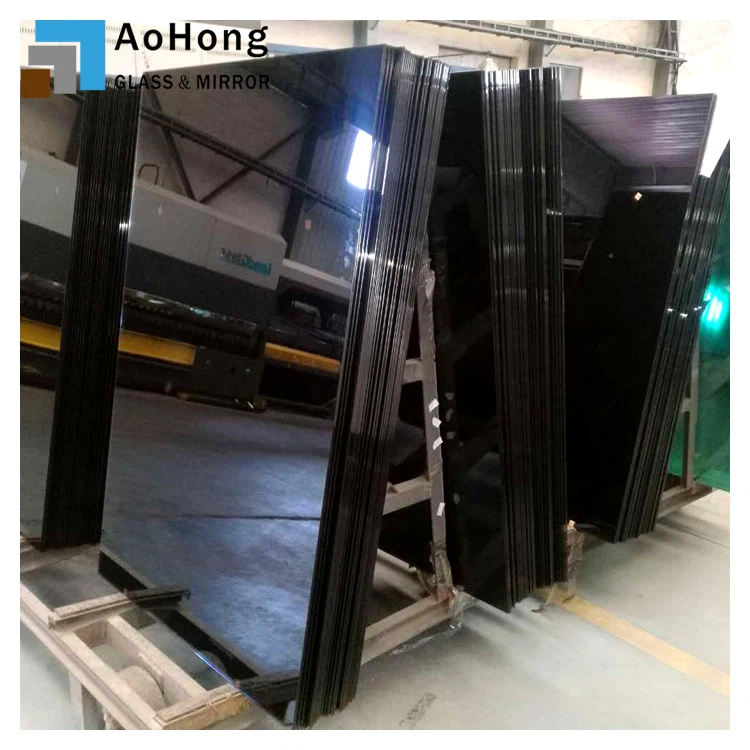
The choice of vehicle depends on the quantity and size of the glass being transported. For small - scale deliveries, a van or a pickup truck with a secure cargo area can be sufficient. For larger shipments, a flatbed truck or a specialized glass transport vehicle may be required. These vehicles are designed to carry glass safely, with features such as racks and tie - down points.

Route Planning
Plan your route carefully. Avoid rough roads, potholes, and areas with heavy traffic. Rough roads can cause excessive vibrations, which can damage the glass. Heavy traffic increases the risk of sudden stops and starts, which can also lead to glass breakage.
Weather Considerations
Weather can have a significant impact on the transportation of glass. Avoid transporting glass in extreme weather conditions such as heavy rain, snow, or high winds. Moisture can seep into the packing materials and damage the glass, and strong winds can cause the glass to shift or even fall off the vehicle.
Insurance
Even with all the precautions in place, accidents can still happen. That's why it's important to have insurance coverage for your glass shipments. Make sure you understand the terms and conditions of the insurance policy, including what is covered and what is excluded. This will give you peace of mind knowing that you're protected in case of any unforeseen events.
Special Considerations for Different Types of Frosted Glass
Apart from Opaque Frosted Glass, there are other types of frosted glass like Sandblasted Frosted Glass and Bronze Frosted Glass. Sandblasted Frosted Glass has a more textured surface compared to regular Opaque Frosted Glass. This means that it may require a bit more protection to prevent scratching. You might need to use a thicker layer of bubble wrap or a different type of packing material.
Bronze Frosted Glass has a metallic finish, which can be more sensitive to environmental factors. It's important to protect it from moisture and oxidation during transportation. You can use moisture - resistant packing materials and seal the glass properly to prevent air and moisture from getting in.
Contact for Purchase and Discussion
If you're interested in purchasing Opaque Frosted Glass or have any questions about its transportation, feel free to reach out. I'm always here to help you make the right decisions and ensure that your glass arrives at its destination safely. Whether you're a contractor, an interior designer, or a homeowner, I can provide you with high - quality glass products and professional advice.
References
- Glass Association of North America. (2023). Glass Handling and Transportation Guidelines.
- International Glazing Association. (2023). Best Practices for Glass Packaging and Shipping.


