

Are tempered glass panels heat-resistant? Well, that's a question I get asked a lot as a supplier of tempered glass panels. In this blog, I'm gonna break down everything you need to know about the heat resistance of tempered glass panels, so you can make an informed decision for your next project.
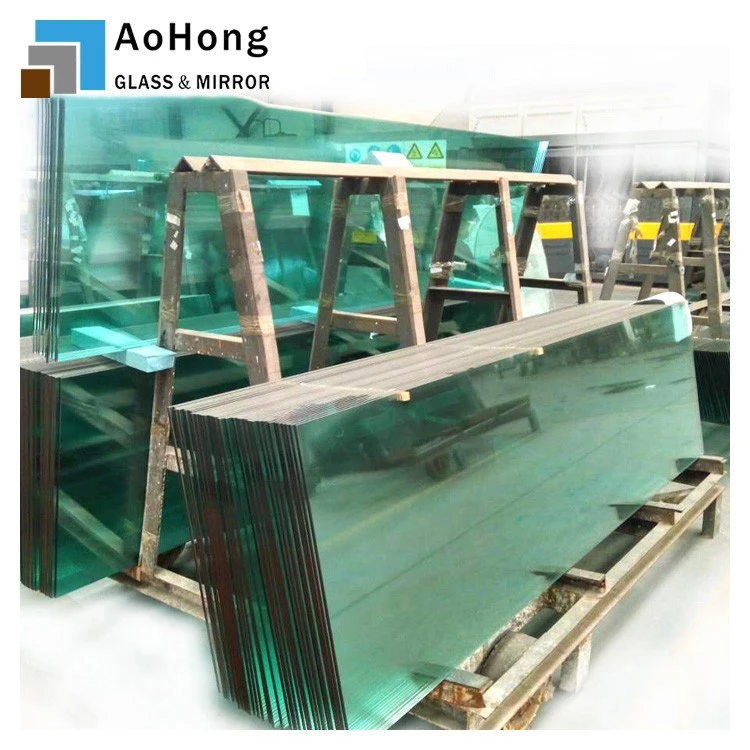

First off, let's talk about what tempered glass is. Tempered glass is made by heating regular glass to a high temperature and then rapidly cooling it. This process creates internal stresses in the glass, making it stronger and more resistant to breakage than regular glass. But what about heat resistance?
Tempered glass is definitely more heat-resistant than regular glass. Regular glass can start to soften at around 600 - 650°C (1112 - 1202°F), while tempered glass can withstand temperatures up to about 250 - 300°C (482 - 572°F) before it starts to experience significant changes. This makes it a great choice for applications where heat is a factor, like oven doors, fireplace screens, and some building applications.
For example, in the kitchen, tempered glass oven doors are pretty common. They can handle the high temperatures generated inside the oven without shattering. The heat resistance of tempered glass here is crucial for safety reasons. You don't want the glass to break when you're cooking at high temperatures.
In building applications, tempered glass can also be a good option when it comes to heat. Tempered Glass for Building can be used in areas where there might be exposure to sunlight or other heat sources. It can help to reduce the risk of the glass breaking due to thermal stress. Sunlight can heat up one side of the glass more than the other, creating thermal stress. But tempered glass is better equipped to handle this stress compared to regular glass.
However, it's important to note that tempered glass isn't completely immune to heat. If it's exposed to extremely high temperatures for a long time, it can still break. For instance, if you were to expose tempered glass to a direct flame for an extended period, it would eventually reach its limit and shatter.
Another factor to consider is the thickness of the tempered glass. Thicker tempered glass generally has better heat resistance. 6mm Tempered Glass is thicker than say, 3mm tempered glass, and can usually handle higher temperatures and thermal stress better. The increased mass of the thicker glass helps to distribute the heat more evenly, reducing the risk of thermal breakage.
When it comes to using tempered glass in partitions, like Tempered Glass Patition, heat resistance might not be the first thing that comes to mind. But in some cases, it can be important. For example, if the partition is near a heat source like a radiator or a large window that gets a lot of sunlight, the tempered glass can handle the heat better than regular glass.
Now, let's talk about some of the things that can affect the heat resistance of tempered glass. One of the main factors is the quality of the tempering process. If the glass isn't tempered properly, it might not have the expected heat resistance. That's why it's crucial to work with a reliable supplier who has a good reputation for producing high - quality tempered glass.
The environment in which the glass is used also matters. If the glass is in a place with high humidity, it can affect the glass's performance over time. Humidity can cause some chemical reactions on the surface of the glass, which might reduce its heat resistance and overall strength.
So, to sum it up, tempered glass panels are heat - resistant to a certain extent. They can handle moderate temperatures and thermal stress better than regular glass, which makes them a great choice for many applications. But they do have their limits, and factors like thickness, tempering quality, and the environment can all affect their heat - resistant properties.
If you're thinking about using tempered glass panels for your project, whether it's for a building, a kitchen appliance, or a partition, I'd be more than happy to help. I've got a wide range of tempered glass products, and I can provide you with the right advice based on your specific needs. Just reach out to me, and we can start a conversation about your project requirements. Let's work together to find the perfect tempered glass solution for you.
References
- Glass Science and Technology textbooks
- Industry reports on tempered glass properties


