Hey there! As a supplier of frosted glass, I've been getting a lot of questions lately about whether tinting frosted glass affects its privacy. It's a super interesting topic, and I'm excited to share my thoughts and knowledge on it.
First off, let's quickly go over what frosted glass is. Frosted glass is created by sandblasting or acid - etching the surface of regular glass. This process makes the glass opaque, scattering light as it passes through and preventing a clear view of what's on the other side. It's commonly used in bathrooms, offices, and other places where privacy is important.
Now, when we talk about tinting frosted glass, we're essentially adding a color layer to it. Tinting can be done in various ways, like using tinted films or applying a colored coating during the manufacturing process. There are different types of frosted glass that can be tinted, such as Bronze Frosted Glass, Opaque Frosted Glass, and Frosted Etched Glass.
So, does tinting affect privacy? Well, it depends on a few factors.
The Degree of Tint
The intensity of the tint plays a huge role. A light tint might not have a significant impact on the privacy provided by frosted glass. Frosted glass already scatters light, and a light tint just adds a bit of color. For example, if you have a lightly tinted frosted glass in a bathroom, it will still do a good job of hiding the details of what's going on inside. The main function of the frosted surface, which is to distort the view, remains intact.
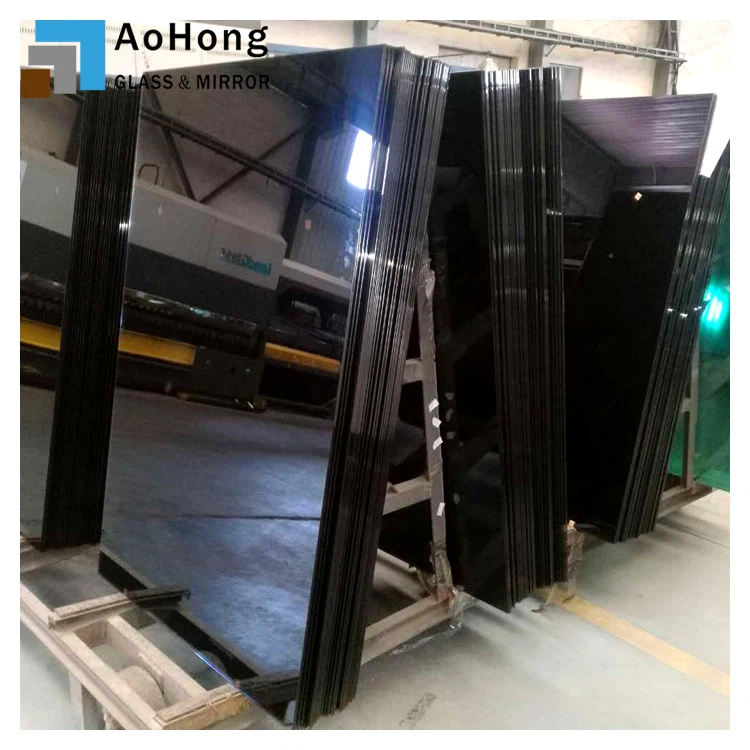
On the other hand, a dark tint can enhance privacy. Darker tints absorb more light, making it even harder to see through the glass. In a situation where you need maximum privacy, like in a high - end spa or a private office, a dark - tinted frosted glass can be a great choice. It not only scatters the light but also reduces the amount of light that can pass through, creating a more private environment.

Lighting Conditions
The lighting on both sides of the glass is another crucial factor. In bright daylight, a lightly tinted frosted glass might still offer decent privacy. The sunlight is so strong that the frosted effect combined with the light tint is enough to obscure the view. However, at night, when the interior is well - lit and the outside is dark, the situation can change.
If the glass has a very light tint, the contrast between the bright interior and the dark exterior can make it easier to see through the glass. The light from inside will shine through more clearly, and the frosted effect might not be as effective in hiding details. A darker tint can help counter this problem. It reduces the amount of interior light that escapes, making it more difficult for someone outside to see in.
Viewing Angle
The angle from which someone is trying to look through the glass also matters. From a direct front - on view, frosted glass, whether tinted or not, usually provides a good level of privacy. But from an oblique angle, things can be different.
Without tinting, an observer at an oblique angle might be able to make out more details through the frosted glass. Tinting can help reduce this effect. The tinted layer further scatters the light that comes from an angle, making it harder to see through, regardless of the viewing position.
Type of Frosting
The type of frosting on the glass can interact with the tint in different ways. For example, a heavily etched frosted glass has a more pronounced surface texture. When combined with a tint, this type of glass can offer excellent privacy. The deep etching scatters light, and the tint adds an extra layer of light absorption.
On the other hand, a lightly frosted glass might rely more on the tint to enhance privacy. If the frosting is not very intense, a well - chosen tint can make up for it and still provide a satisfactory level of privacy.
Benefits of Tinted Frosted Glass Beyond Privacy
Apart from privacy, tinted frosted glass has other benefits. One of the main advantages is energy efficiency. Tinted glass can block a significant amount of solar heat gain. This means that in hot climates, it can keep the interior cooler, reducing the need for air - conditioning. In colder climates, it can also help retain heat inside.
Tinted frosted glass also has aesthetic benefits. It can add a touch of style and sophistication to any space. The color of the tint can be chosen to match the interior design scheme, creating a more cohesive look.
When Tinting Might Not Be Necessary
There are situations where tinting frosted glass might not be necessary. If the frosted glass is installed in a location where there is very little direct sunlight, like in a basement or a room with small windows facing north, the privacy provided by the frosted glass alone might be sufficient.
Also, if the main concern is just a basic level of privacy, and the glass is used in a low - traffic area, a non - tinted frosted glass can do the job. For example, in a small storage room or a utility area, the frosted glass will already prevent a clear view, and adding a tint might be an unnecessary expense.
Making the Right Choice
As a frosted glass supplier, I always recommend that customers consider their specific needs when deciding whether to tint their frosted glass. Think about the location of the glass, the amount of sunlight it will receive, and the level of privacy required.
If you're looking for maximum privacy, especially in areas with large windows or high - traffic areas, a dark - tinted frosted glass is a great option. For more general privacy needs and in areas with less sunlight, a light - tinted or non - tinted frosted glass might be sufficient.
Contact for Purchase and Consultation
If you're interested in purchasing frosted glass, whether tinted or non - tinted, I'd love to help. We have a wide range of options available, including different types of frosting and tints. You can reach out to us to discuss your specific requirements, and we'll work with you to find the perfect solution for your project.
References
- "Glass Technology Handbook" by Peter I. L. Shand
- "Building Envelope Design Guide" by the American Institute of Architects
So, there you have it! I hope this blog has helped you understand how tinting frosted glass can affect its privacy. If you have any more questions, feel free to ask.